The past few weeks have felt like a lot.
The news cycle alone is enough to keep anyone checking their phone more often than they should. When things feel like that, I notice parts of life start to get a bit messy.
🍽️ Eating becomes more erratic.
🏃 Exercise drops off.
🔋 Energy dips.
🤝 Connection with people quietly drops away.
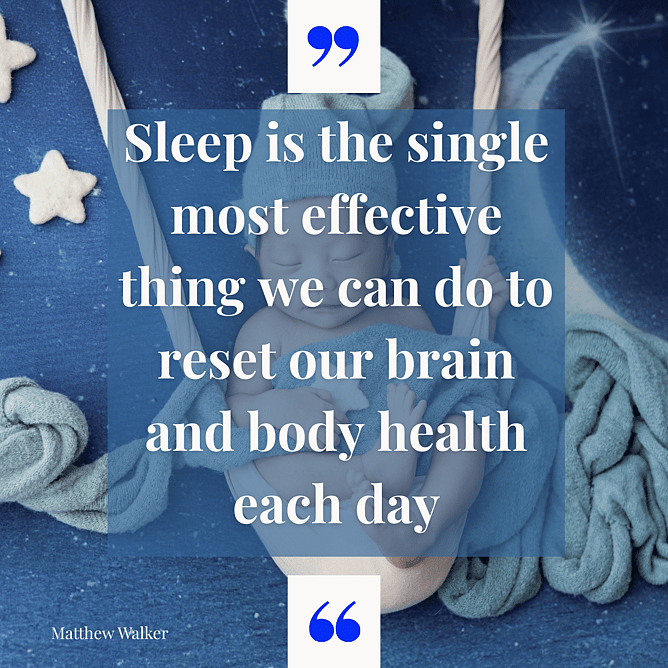
There are usually many contributing factors (nothing in life is simple). But sleep disruption is often a pebble that sends ripples through everything else.
Which is ironic, because early in my legal career the general attitude was that needing sleep was a weakness. I recall statements like “Thatcher and Churchill only needed five hours” being the norm.
Long hours weren’t heroic, they were simply expected. In the first few months after qualifying as a lawyer I slept at the office fairly regularly.
Looking back, I’m not sure how we expected to deliver high-quality legal advice with brains that had no real chance to detoxify and consolidate.
So, as things have gone a bit off kilter lately, I’ve gone back to basics.
🌅 𝘕𝘢𝘵𝘶𝘳𝘢𝘭 𝘭𝘪𝘨𝘩𝘵 in the morning and evening (research suggests we under-consume natural light during the day and over-consume artificial light at night).
⏰ 𝘙𝘦𝘨𝘶𝘭𝘢𝘳 sleep and wake times.
📵 𝘗𝘩𝘰𝘯𝘦 𝘰𝘶𝘵 of the bedroom.
🛁 𝘈 𝘣𝘢𝘵𝘩 𝘰𝘳 𝘴𝘩𝘰𝘸𝘦𝘳 before bed.
🌀 𝘈 𝘧𝘢𝘯 for the middle of the night when things get hot.
Nothing revolutionary. Just small things that make sleep a bit easier.
And I’m experimenting with something else: early afternoon naps.
It goes against all my social conditioning, but it makes sense neurobiologically.
A short nap, around 20–25 minutes, reduces the adenosine sleep drive, supports emotional regulation, helps consolidate what you’ve already learned that day, and even improves “aha” creativity.
In other words, turning the afternoon slump into something useful, while also teeing yourself up for a more restorative night’s sleep. A win-win.
Interestingly, Winston Churchill, often cited as someone who “didn’t need much sleep”, was a big believer in the afternoon nap.
Sleep sounds simple; it rarely is.
But when the world feels unstable, protecting sleep, and perhaps even a short nap, might be one of the simplest ways to strengthen the foundations again.